

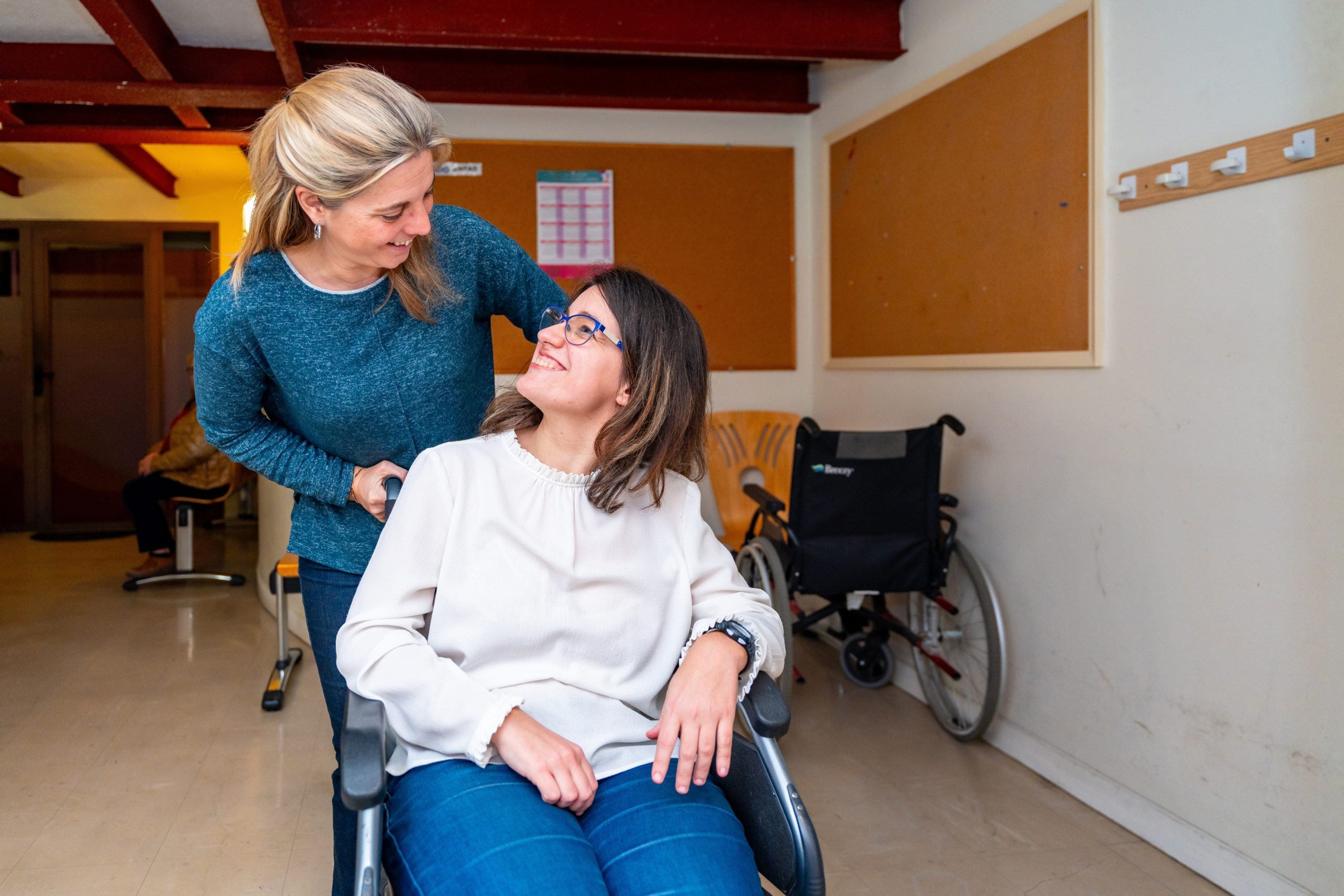
Human-interest stories can enhance advocacy and is more likely to be heard and heeded by policymakers and administrators. National Association of County Behavioral Health & Developmental Disability Directors’ “Top 10” list of factoids for use when advocating for the needs of the people we serve.
1. Incidence/prevalence: Intellectual disorders and developmental disabilities (ID/DD ) are increasingly common, affecting around 1 in 6 children in the US, and lasting a lifetime. Mental disorders affect 1 in 5 (45.6 million) US adults and 21 percentof children and youth. Only 40 percent of adults and youth with mental health problems ever get mental health services. Over 22 million persons, age 12 and up, have a substance use problem; of them, nearly 21 million got no treatment. The number of underage drinkers nationally equals the population of Michigan. Of 6.1 million 12-17 year olds using drugs of abuse, only 1.1 million of them get treatment. Among Iraq and Afghanistan war veterans, nearly 1 in 5 screens positive for PTSD or depression. National Guardsmen and Reservists report even higher rates of PTSD. As many as one in four young veterans (age 18-25) meet criteria for a substance use disorder.
2. Co-occurring disorders. Adults with mental illnesses are over three times as likely to use substances inappropriately as are those without mental disorders. Youth with depression run double the risk of inappropriate substance use compared to their non-depressed peers (36.0 percent vs. 17.4 percent).
3. Suicide. Over 90 percent of suicides are related to a mental disorder. Around 8.5 million American adults (3.7 percent) think seriously about suicide (2.4 million making a plan and 1.1 million attempting suicide). While only one percent of the population serves in the military, veterans account for 20 percent of the national suicide rate.
4. Mental illnesses and dangerousness. People with mental illnesses are at cause in only about four percent of violent crimes. However, they are at least 11 times as likely to be victims of crime compared to the general population. Each year, one in four people with mental illness experiences violence of some type, a much higher rate than the rest of the population.
5. Where have all the dollars gone? Since 2009, states have cut some $4.35 billion in public mental health spending. States are spending 12 times more to manage the burdens of substance abuse through the justice system ($17,300 per person) than on treating it ($1,350 per person). This results not only in less treatment, but also in cost shifts to other sectors, such as the criminal justice system, emergency departments and programs for the homeless.
6. Incarceration. As many as 80 percent of adults in jails and prisons have at least one substance use problem; data for incarcerated youth are similar. While those with ID/DD are only two to three percent of the general population, they represent 4-10 percent of the prison population and an even larger percentage in juvenile justice facilities and jails. The prevalence of serious mental illnesses among people entering jails alone is estimated at three to six times of that of the general population.
7. Non-medical use of prescription meds. In 2010, two million young people were introduced to drug taking through the misuse of prescription medications. By 2020, an estimated 4.4 million adults over age 50 will use drugs inappropriately, particularly prescription medications. The Department of Defense says conservatively, 11 percent of active duty military personnel reported past-month prescription drug misuse. The total national cost of non-medical use of prescription drugs is at least $55.7 billion.
8. Value of integrated care. Mental disorders can reduce life expectancy by 25 or more years, primarily from treatable physical problems like obesity, smoking, heart disease and high blood pressure. Integrating Medicaid’s behavioral and physical care for today’s 60 million beneficiaries could reduce the overall cost of their care by as much as $3-9 billion annually.
9. Why intervening early is important. Half of all lifetime cases of behavioral disorders begin by age 14, and three quarters, by age 24. Every day, nearly 2,500 youth, ages 12-14, start drinking. Early signs of behavioral illnesses arise two-four years before a diagnosable disorder is manifest, but treatment usually doesn’t happen until eight years after the onset of obvious symptoms. Early intervention for mental health problems can prevent or delay the onset of inappropriate substance use. The likelihood of lifetime inappropriate drug use can be reduced by five percent with each year onset it delayed.
10. Value of the ACA for those we serve. The ACA will extend insurance coverage to 32 million persons, including 6-10 million people with mental illnesses. People with behavioral disorders represent some 40 percent of people who will become eligible under the ACA’s Medicaid Expansion, and about 25 percent of individuals who will use the ACA’s Health Insurance Marketplace (formerly called “exchanges”).